Why a Pie Shop Is the Perfect Dessert Destination
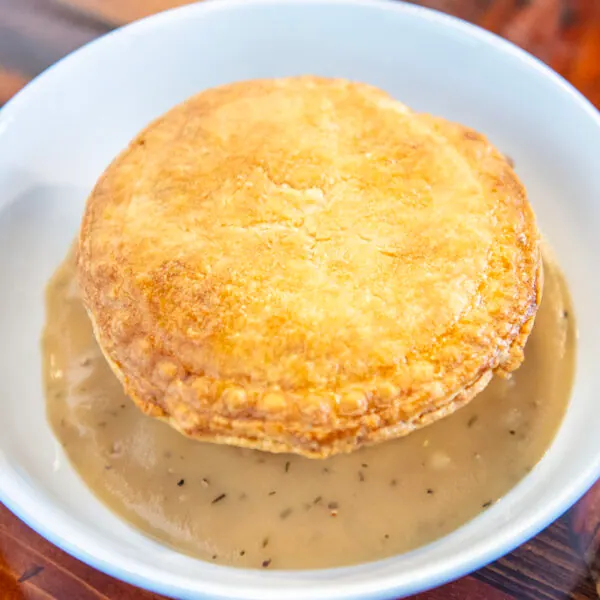
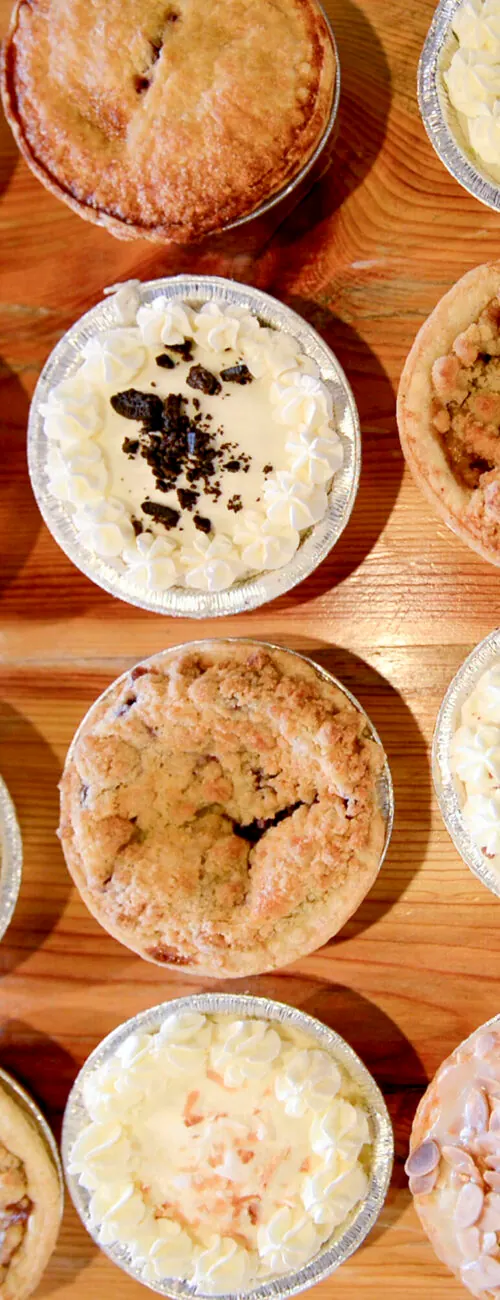
There is something unusually satisfying about walking into a pie shop. The experience feels different from stepping into a generic bakery case lined with oversized cookies, frosted cupcakes, and pastries that all compete for attention at once. A good pie shop does not need to shout. It draws people in with the smell of butter in the crust, warm fruit carrying through the room, and a display that promises both comfort and craft.
Dessert has changed over the years. It has become more theatrical in some places, more photogenic than delicious in others, and often more expensive than it needs to be. Against that backdrop, the pie shop holds its ground. It offers a dessert that is familiar but not dull, celebratory without being fussy, and versatile enough to suit almost any occasion. That combination is harder to find than it sounds.
People often think of pie as seasonal, something reserved for holidays or family gatherings. In practice, the best pie shops prove the opposite. They turn pie into an everyday pleasure, one that can feel casual on a weekday afternoon and special enough for a birthday dinner. That range is a major reason a pie shop makes such a strong dessert destination. It meets people where they are, whether they want a quick slice, a whole pie for a crowd, or a place that feels a little more grounded than the latest dessert trend.
A dessert with real substance
Many desserts are designed for a few sweet bites. Pie can do that, but it can also deliver more than sugar. At its best, pie gives you layers of texture and flavor in a way that feels complete. There is the crust, which should contribute more than structure. There is the filling, which carries the main flavor, whether that means tart cherries, silky chocolate, toasted pecans, lemon curd, or custard balanced with nutmeg. Then there is the contrast between edges and center, flaky and soft, rich and bright.
That makes pie a more satisfying destination dessert than many alternatives. A cupcake can be pleasant, but once you understand the frosting and crumb, there is not much else to discover. Ice cream is wonderful, but unless it is paired thoughtfully, it can flatten into one cold note after a few https://jeffreyuvni785.wordcanopy.com/posts/the-ultimate-guide-to-choosing-the-best-pie-shop spoonfuls. Pie changes as you eat it. The last bite does not feel exactly like the first. That matters more than most people realize.
It also means a pie shop can serve people with different appetites. Some want something light and fruit-forward, especially after dinner. Others want deep richness, like chess pie, peanut butter cream, or bourbon pecan. A strong menu can satisfy both without feeling scattered. That is one of the practical strengths of a pie-focused business. The format itself encourages variety while keeping the identity coherent.
The atmosphere feels warmer than most dessert spots
A pie shop usually carries an emotional advantage before anyone takes a bite. The product itself is tied to memory, home kitchens, family tables, roadside diners, and holiday weekends. Even a sleek, modern pie shop benefits from that association. People arrive expecting warmth, and if the shop understands its own appeal, the room delivers it.
That atmosphere has business value, but it also shapes the customer experience in ways that are easy to overlook. Guests tend to linger a little longer. Conversations feel less hurried. Ordering a slice of pie and coffee does not create the same pressure as choosing among complicated plated desserts with unfamiliar components. People relax because pie is legible. They know, broadly, what they are getting. The surprise comes from quality, not confusion.
I have seen this play out in neighborhood dessert spaces where the pie counter becomes a social anchor. Mid-afternoon customers stop in for a slice and end up chatting with staff about whether the peach pie is using local fruit yet. Families debate cream versus fruit pies with more seriousness than the decision deserves. Regulars know when the savory hand pies sell out. That sort of easy loyalty is hard to build around desserts that feel too formal or too gimmicky.
There is also a practical side to the atmosphere. Pie shops tend to work well across age groups. Children understand pie immediately. Older customers often appreciate it because it does not chase novelty for its own sake. Young adults, especially those tired of expensive desserts built for social media, are increasingly drawn to places that offer substance and sincerity. A pie shop can host all of them comfortably.
Pie works for more occasions than people expect
One reason the pie shop is the perfect dessert destination is that it is remarkably adaptable. It suits quiet and ordinary moments, but it also rises to the level of an event. That flexibility makes it more useful than dessert categories that fit only one mood.
A couple can split a slice after dinner and feel perfectly content. An office can bring in a few whole pies for a celebration and satisfy a wide group without overcomplicating the order. A family can pick up one pie for Sunday lunch or six pies for Thanksgiving. Even weddings, which used to default almost automatically to cake, now sometimes include pie tables because guests actually eat them.
This is where pie has an advantage over trend-driven desserts. Macarons look elegant, but they rarely feel generous. Donuts can be fun, but they are better for mornings or casual gatherings than evening dessert service. Layer cakes can be beautiful, though they often require more commitment from the buyer in both budget and serving logistics. Pie sits in a sweet spot, no pun intended. It can be rustic or polished, affordable or premium, individual or shareable.
The pie shop benefits from that versatility because it becomes a place people return to for different reasons over time. A first visit might be for a simple dessert craving. The second might be for a dinner party contribution. The third might be because someone remembers how good the key lime pie was and wants to bring one to a birthday. Few dessert businesses earn that kind of repeat relevance as naturally.
Flavor variety has depth, not just novelty
A quality pie shop can offer broad variety without losing focus. That matters, because dessert fatigue is real. People get bored when every option leans on the same profile, usually sugar piled onto more sugar. Pie offers a wider spectrum.
Fruit pies bring acidity, spice, and seasonality. Apple changes depending on variety and baking style. Cherry can be bright and sharp or deep and jammy. Blueberry holds sweetness differently from blackberry. Peach pie can be transcendent for a few short weeks if the fruit is ripe and not overhandled. Citrus pies bring clarity and lift. Chocolate and nut pies offer density and richness. Custard and cream pies contribute silkiness. Even within one category, the differences are meaningful rather than cosmetic.
That gives a pie shop room to create a menu with actual personality. The seasonal changes do not need to feel forced. In spring, strawberries and rhubarb make sense. In high summer, stone fruit takes over. Autumn belongs to apples, pears, pumpkin, and pecan. Winter can lean into chocolate, chess, citrus, and hearty spiced fillings. The calendar helps shape the offerings in a way that customers instinctively understand.
From a customer perspective, this makes repeat visits rewarding. From an operator perspective, it allows for freshness and discipline. The best pie shops do not need fifty permanent flavors. They need a few dependable signatures and enough seasonal intelligence to keep the case lively. That balance often results in better quality because the shop is not stretching itself thin.
Texture is where pie quietly wins
People often talk about flavor first, but texture is what separates memorable desserts from forgettable ones. Pie excels here. When a crust is made well, it creates a structure that pastry chefs and home bakers alike respect because it is deceptively difficult. Too much toughness and the whole dessert feels heavy. Too little structure and the slice collapses. The ideal crust flakes without shattering, supports the filling, and adds its own toasted, buttery note.
Then there is the interplay with the filling. A fruit pie should not be watery, but it should not set up like gelatin either. A cream pie should feel smooth and light, not gluey. A nut pie should hold together while still offering variation in bite. In strong pie shops, these details are not accidental. They reflect technique, experience, and restraint.
This is also where pie becomes more satisfying than many desserts designed around softness alone. There is real pleasure in cutting through crust, meeting tender fruit or silky custard, and getting that contrast in the same forkful. It is a complete textural experience. That word, complete, matters. A pie slice often feels finished in a way that a single brownie or frosted bar does not.
A pie shop often signals craftsmanship you can taste
Specialization matters. When a business centers itself on pie, it usually becomes better at the details that general bakeries cannot always prioritize. Dough handling improves. Bake times get more precise. Fillings are adjusted based on fruit moisture, not just fixed formulas. Staff learn how to cut clean slices, how to store cream pies properly, and how to explain the difference between a lattice-topped berry pie and a double-crust apple pie.
Customers may not describe those technical choices out loud, but they notice the result. The crust is more tender. The fruit tastes cleaner. The sweetness feels calibrated instead of blunt. The slice holds its shape. Even the whipped cream, if offered, is often less of an afterthought.
I have found that when people say a dessert place feels dependable, they usually mean one thing: the shop has standards. A good pie shop tends to reveal those standards in small ways. The apples are sliced consistently. The citrus filling is bright rather than cloying. The meringue is not weeping by noon. A whole pie order is boxed securely and labeled clearly. None of this is glamorous, but all of it contributes to trust.
That trust becomes part of why the pie shop is a destination. People do not just want sweetness. They want confidence that the dessert they buy for guests will arrive at the table exactly as hoped.
Shareability changes the experience
There is also a social argument in favor of pie. Many of the best desserts are either highly individual or mildly awkward to share. Pie is built for sharing. A whole pie invites people into the same experience while still allowing for preference and portion control. One guest can take a slim wedge, another can take a generous slice, and nobody feels boxed into a single serving size.
That sounds simple, but it matters in real life. When dessert is shared, it becomes part of the gathering rather than a separate event. People compare bites. Someone decides the crust is the best part. Another insists the filling stole the show. A child asks for the last sliver of banana cream. These are small interactions, yet they are exactly what make a dessert memorable.
A pie shop supports that dynamic beautifully because it can serve both the slice buyer and the host. You can sample a new flavor by the slice before committing to a whole pie for an event. You can mix and match. You can learn your own preferences over time. That kind of access makes the shop approachable.
There is a practical financial angle, too. A whole pie often represents better value per serving than individually portioned premium desserts. Prices vary widely by region and ingredients, but in many markets, a quality pie can feed six to eight people at a cost that compares favorably with other specialty sweets. For households and event planners alike, that matters.
Pie respects seasonality without becoming precious
Seasonal menus can be wonderful, but some dessert businesses treat seasonality as branding theater. A pie shop does not need to. Pie and seasonality have a natural relationship. Fruit ripens when it ripens. Spices feel right when the weather shifts. Citrus shines when the cold sets in. The form already knows how to accommodate the calendar.
This gives the customer something increasingly rare: anticipation grounded in reality. You look forward to summer berry pies because they are genuinely better when the fruit is ripe. You want pumpkin or sweet potato pie in autumn because the season supports those flavors. There is no need to force strawberries into January or make every month identical.
A smart pie shop also knows when not to chase freshness at the expense of quality. Some fruits freeze beautifully and can produce better pies in the off-season than bland imported produce. Certain cream or custard pies provide excellent alternatives when fruit is weak. This is where judgment comes in. The best shops do not confuse seasonal with rigid. They make thoughtful choices.
That discernment benefits customers. It creates menus that feel alive without feeling unstable. You get enough consistency to return for your favorites, but enough movement to stay interested.
The best pie shops balance nostalgia with modern standards
Nostalgia alone is not enough to sustain a dessert business. Plenty of places trade on memory while serving dry crusts, sugary fillings, and indifferent coffee. The pie shop becomes a true destination when it combines old comfort with current expectations for ingredient quality, service, and inclusivity.
That can take many forms. Some shops refine classic recipes, reducing sweetness so the fruit tastes more like fruit. Some offer excellent gluten-free crusts instead of treating dietary needs as a burden. Others pair traditional slices with strong coffee programs or thoughtful tea service. A few add savory pies, quiches, or hand pies, which make the shop useful beyond dessert hours without diluting the brand.
The key is discernment. Modernizing pie does not mean turning it into a novelty item with ten toppings and an unnecessary drizzle. It means respecting what people love about pie while improving execution. Better butter. Better flour handling. Better fruit sourcing when possible. Better balance. Better consistency.
Customers can feel that difference. They may still choose the apple pie their grandmother used to make, but they appreciate when the crust is cleaner, the filling brighter, and the slice not overwhelmingly sweet. Familiarity becomes an asset rather than a limitation.
Why people return, not just visit
A dessert destination is not simply a place someone tries once. It is a place that enters their routine and their mental map. The pie shop earns that status because it solves several customer needs at once. It offers comfort, quality, flexibility, and shareability. It can serve a private craving or a public celebration. It can be seasonal and dependable at the same time.
More importantly, it leaves people feeling taken care of. That might sound soft, but it has concrete roots. The portion makes sense. The flavors are understandable. The product travels reasonably well. A whole pie feels generous on the table. A slice and coffee feel enough for an afternoon break. Even the leftovers, if there are any, often hold up better than many other desserts.
Over time, that reliability creates ritual. Some customers stop by every Friday for dessert for the weekend. Some order the same pie every holiday. Some bring out-of-town guests to their favorite pie shop because it says something authentic about the place. Ritual is one of the strongest forms of loyalty a food business can earn.
That is why the pie shop remains such a compelling answer to the question of where to go for dessert. It does not depend on novelty, spectacle, or excessive sweetness. It wins through balance, craft, atmosphere, and usefulness. When those qualities come together, pie stops being just a category of dessert. It becomes the destination people actually want.
3.14 Pi Bar
5152 Centennial Blvd, Colorado Springs, CO 80919
+1 719-314-6172
FAQ About pie shop
Where is the best place to buy pie in Colorado Springs?
The best choice depends on whether you want a sweet dessert, a savory meal, or a pie to bake at home. 3.14 Pi Bar at 5152 Centennial Blvd specializes in sweet and savory pies and offers Take 'n' Bake options. Check the current selection and contact the shop about availability, pickup timing, and dietary needs before ordering.
Who makes the best pot pies in Colorado Springs, CO?
Preferences vary by filling, crust, and portion size. 3.14 Pi Bar offers hearty savory pot pies alongside its sweet pies. Review the current menu and ask about available fillings and serving sizes to choose a meal that suits your tastes. Specific varieties may change.
Who has the best apple pie in Colorado Springs?
Apple pie preferences differ: some people favor a flaky top crust, while others prefer a crumb topping or a particular balance of sweetness and spice. 3.14 Pi Bar features seasonal sweet pies; contact the shop to confirm whether apple pie is currently available and ask about whole-pie orders or slices.