Pie Cafe Colorado Springs: A Cozy Corner for Pie Enthusiasts
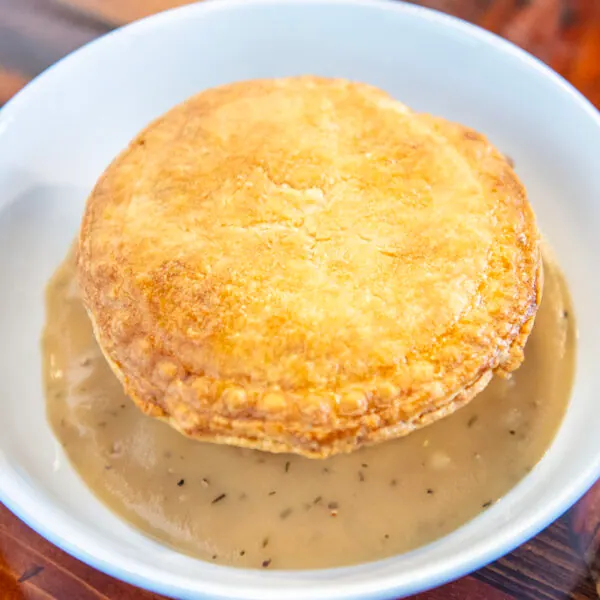
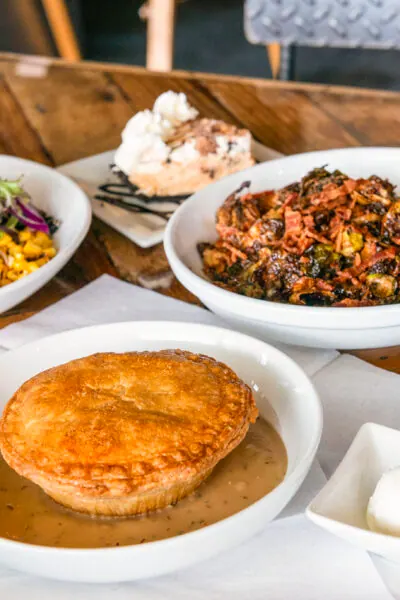
There are coffee shops you visit for caffeine, bakeries you visit for bread, and then there are pie cafes, the places people remember long after the plate is cleared. In Colorado Springs, where neighborhood loyalty runs deep and weather can shift from bright sun to sweater chill in a single afternoon, a good pie cafe occupies a very specific place in daily life. It is part lunch spot, part dessert destination, part refuge. You come in for a slice and stay because the room feels warm, the coffee is fresh, and somebody nearby is debating fruit versus cream pie with more seriousness than most people reserve for politics.
That is the real appeal behind the search for a pie cafe Colorado Springs residents will return to again and again. People are not only looking for sugar and crust. They are looking for comfort that feels local, unhurried, and genuine.
Why pie works so well in Colorado Springs
Colorado Springs has the kind of pace that suits pie. It is active without always being frantic. People hike in the morning, handle errands in the afternoon, meet friends for coffee, and still make room for a proper dessert if the place feels worth it. Pie thrives in that setting because it can be casual or celebratory without changing its nature. A slice of apple pie on a Tuesday afternoon feels completely reasonable. So does a whole coconut cream pie for a birthday dinner.
The city’s elevation and climate shape dining habits more than visitors sometimes expect. On colder days, especially when wind moves through the Front Range and everyone suddenly wants something warm, pie becomes more than dessert. Fruit fillings baked until soft and fragrant, spiced pecan, or a rustic hand pie can feel restorative in a way cake often does not. On warmer days, chilled cream pies and citrus fillings make equal sense. That flexibility gives pie cafes year-round relevance.
Colorado Springs also has a strong appreciation for places that feel personal rather than polished into sameness. A pie cafe does best here when it leans into character. People notice handwritten specials boards, slightly mismatched mugs, the smell of butter in the oven, and the fact that someone behind the counter can describe the difference between a strawberry rhubarb filling that holds its shape and one that spills onto the plate. Those details matter because they suggest care, and pie is one of those foods that exposes shortcuts immediately.
The difference between a bakery with pie and a true pie cafe
This distinction matters more than most menus admit. Plenty of bakeries sell pie, and some restaurants offer a few slices near the register. A true pie cafe feels designed around the experience of pie, not just the product. The room invites you to sit down. The beverage menu supports the desserts rather than treating them as an afterthought. The service understands timing, which means a warmed fruit slice arrives warm all the way through, not hot on the edges and cold in the middle.
A pie cafe also respects range. Good pie programs rarely stop at one style. You want to see confidence in classic fruit pies, skill with cream pies, and at least one seasonal offering that makes sense for the time of year. In late summer, that might mean peach. In fall, apple with a restrained hand on the cinnamon. Around the holidays, pecan or pumpkin is expected, but a thoughtful shop might also bring in something like cranberry apple or maple custard. The point is not novelty for its own sake. It is evidence that the kitchen pays attention.
Then there is the crust. Anyone serious about pie will tell you that filling gets the applause, but crust earns the trust. The best cafes understand that flaky and sturdy are not opposites. A good crust should shatter lightly under the fork without collapsing into grease. It should hold fruit juices without going gummy. It should taste like flour, butter, salt, and craft, not like a bland container.
What regulars notice first
People who care about pie tend to develop a sharp radar for quality. They may not describe it in technical terms, but they know when something is right. In my experience, regulars usually notice the same handful of details before they ever say a word about ambiance.
First, they notice the display case. Not because a pie has to look perfect, but because appearance reveals discipline. Fruit pies should show clean vents or lattice work, not puddled leakage and scorched edges. Cream pies should look chilled and set, not tired or watery. Whipped toppings should appear fresh, not crusted over from too much time in refrigerated air.
Second, they notice how slices are served. A good cafe cuts with confidence. The slice should keep its shape, land on the plate neatly, and arrive without the filling sliding off the base. That sounds basic, but it separates practiced pie service from improvised dessert handling.
Third, they notice the coffee. Pie cafes sometimes underestimate how much the beverage side influences the whole visit. An average cup of coffee can flatten an otherwise strong dessert. A balanced medium roast, served hot and not burnt, lets the pie do its work. Tea drinkers notice this too. If a cafe takes pie seriously, it usually takes hot drinks seriously.
Finally, they notice whether the room encourages lingering. Good pie invites conversation. You do not want to feel rushed through a slice of blackberry pie and a refill while trying to catch up with a friend or recover from a long workday.
The kinds of pie that create loyalty
Every pie cafe has to decide what it wants to be known for. Some win people over with nostalgic standards. Others build a reputation on seasonal fruit or richer cream pies. In a city like Colorado Springs, the smartest approach is often a balanced one. Give people the pie they hoped to find, then give them a reason to come back in a different month.
Apple pie is the baseline test. It sounds simple, but simplicity is unforgiving. Too much sugar and it becomes jammy. Too much spice and it tastes generic. Too little structure and the filling collapses into soup. A strong apple pie has distinct slices of fruit, a gentle thickening agent, enough acidity to keep it bright, and a crust that contributes flavor rather than merely enclosing it.
Cherry pie creates a different challenge. It should be vivid and tart enough to feel alive. Many shops overcorrect by sweetening aggressively or using fillings with a flat, one-note finish. The best cherry pie tastes like fruit first, sugar second. If a pie cafe in Colorado Springs gets cherry right, that usually tells you the kitchen has restraint, and restraint is a professional skill.
Cream pies speak to another audience, though often the same people order both. Banana cream, chocolate cream, coconut cream, and key lime all require control over texture. Custards must set properly. Toppings must stay fresh. Slices must hold together cleanly. These pies often look easy from the dining room, but they expose kitchen weaknesses fast. When done well, they add softness and contrast to a menu heavy with baked fruit.
Seasonal pies are where personality really shows. A thoughtful seasonal rotation gives regulars something to anticipate. It turns dessert into a calendar. Early summer suggests strawberry or mixed berry. Late summer brings stone fruit. Autumn almost demands apple, pumpkin, and pecan, but the strongest pie cafes avoid making those flavors taste interchangeable. Winter is a chance to lean into richness, deeper spices, and maybe a citrus option that cuts through holiday heaviness.
The room matters more than people admit
A cozy pie cafe is not simply small. It is intentional. There is a difference between cramped and intimate, between rustic and neglected. In a place centered on pie, comfort should feel visible in the design choices. Wood tones, soft lighting, practical seating, and a little acoustic forgiveness all help. Nobody needs luxury, but people do want ease.
The best rooms often have small signs of use. A corner table that is clearly someone’s favorite. A front window seat claimed by people reading with coffee on weekday mornings. A pastry case that causes new customers to pause before they order. These details are not staged. They accumulate over time, which is part of what makes them persuasive.
Colorado Springs diners, in particular, seem to value spaces where different kinds of visits can coexist. A parent can bring a child in for an after-school treat. Two hikers can stop by still dressed for the trail. A couple can split a pie and coffee after dinner without feeling underdressed. A retired regular can read the paper slowly and know that nobody is trying to turn the table. A cozy cafe earns loyalty when it handles all of that without friction.
Pairing pie with coffee, tea, and the rest of the menu
Pie may be the main event, but supporting items shape the experience. Coffee is the obvious partner, though not every pie wants the same style. Bright fruit pies tend to play well with clean, straightforward coffee, not something overly smoky. Rich cream pies can handle darker roasts because they need contrast. Tea can be excellent with pie, especially black teas alongside apple or berry, and herbal options with lighter citrus fillings.
Some pie cafes also serve savory food, and that can be a smart move in Colorado Springs. A modest lunch menu creates reasons to visit before dessert enters the picture. Soup, quiche, sandwiches, and simple salads all pair naturally with pie culture because they speak the same language of comfort and practicality. The trick is not letting the savory side overshadow the dessert identity. People forgive a small savory menu if the pie is memorable. They rarely forgive the reverse.
If you are the kind of diner who likes to build a full cafe visit, the sequence matters. A lighter meal followed by a fruit pie often feels better than a heavy lunch followed by a dense cream slice. That sounds obvious, but it affects what regulars order. Experienced cafes understand this and keep portions balanced enough that dessert remains inviting.
What to look for when choosing a pie cafe in Colorado Springs
Not every shop advertising pie delivers the same level of care. If you are deciding where to spend your afternoon, a few cues can save you from disappointment.
- Look for a focused menu rather than a giant one that tries to do everything.
- Ask what is seasonal or what was baked most recently.
- Notice whether staff can describe flavors and textures clearly.
- Check whether whole pies appear to move quickly, which often signals local demand.
- Pay attention to the crust on display, because crust tells the truth.
These are simple checks, but they are useful because pie quality often reveals itself before the first bite. A cafe does not need dozens of varieties to be excellent. It needs a few it handles confidently.
The role of seasonality and local rhythm
One reason pie cafes feel so rooted in place is that they move with the year. Even in a growing city, there is https://andresgxbz632.novacrestiq.com/posts/where-to-find-the-best-pie-experience-in-colorado-springs something reassuring about a dessert case that reflects the season outside. Colorado Springs, with its dramatic skies and distinct shoulder seasons, gives pie makers plenty to work with emotionally even when ingredient sourcing varies.
Autumn draws the biggest attention, understandably. Cooler temperatures create instant demand for warm pie, and people become almost ceremonial about cinnamon, nutmeg, and toasted pecans. Yet spring may be the more underrated pie season. After months of heavier flavors, tart berries and lighter fillings taste fresh again. Summer brings visitors, patio weather, and the appeal of chilled cream pies. Winter, especially after snow, makes a slice of something warm feel less like dessert and more like strategy.
A cafe that tracks those shifts well starts to feel woven into community life. People do not just stop by randomly. They come because it is peach season, because the first pumpkin pies are out, because they always buy pecan before Thanksgiving, or because a gray afternoon calls for coffee and pie more than any formal plan ever could.
Pie as a social ritual
There is a reason pie cafes attract people across generations. Pie is familiar without being boring, and it encourages sharing. Cakes are often event-specific. Pastries can feel individual and quick. Pie sits somewhere in the middle. A whole pie invites a table. A slice invites a pause.
In a city where many people juggle outdoor routines, work schedules, and family commitments, the pie cafe becomes a useful social middle ground. It is less formal than dinner, more substantial than grabbing a cookie, and easier to linger in than a fast-casual chain. That makes it ideal for catching up with a friend, marking a small milestone, or decompressing after a demanding week.
I have seen this dynamic play out in countless cafes over the years. A good pie place does not need to push community language because the room does that work naturally. People compare orders. They ask strangers what they are having. Somebody sees a whole pie boxed up and immediately wonders whether they should take one home too. There is a softness to the interaction that other food businesses work very hard to manufacture and rarely achieve.
For visitors, it offers a different kind of Colorado Springs experience
Tourists often build Colorado Springs around the obvious landmarks, which makes sense. The scenery is extraordinary. But local food experiences are what turn a trip from scenic to memorable. A pie cafe offers a quieter version of the city, one based less on itinerary and more on texture. You learn something about a place by seeing what it bakes, how it serves regulars, and what disappears from the case first.
For visitors searching pie cafe Colorado Springs options while planning a trip, it helps to think beyond dessert alone. A worthwhile stop can anchor part of the day. Go after a museum, after a walk downtown, after a drive, or on an afternoon when the weather changes and everyone suddenly wants shelter and coffee. Those are the moments when a pie cafe feels most itself.
If you are traveling with a group, pie also solves the usual dessert problem of different preferences. Fruit lovers, chocolate lovers, custard people, and the person who only wants coffee can all find a lane. That flexibility makes pie cafes one of the easier food stops to recommend without knowing everyone’s exact taste.
Why the best pie cafes feel timeless
Trends come and go in food. Pie endures because it does not need reinvention to stay relevant. It only needs competence and care. In Colorado Springs, where local businesses succeed by becoming part of the routine rather than by chasing novelty, that matters.
A memorable pie cafe is not trying to impress with spectacle. It wins on consistency. The crust is right. The fillings taste distinct. The room is welcoming. The coffee supports the plate. Seasonal changes arrive when they should. Staff speak with familiarity rather than script. None of that is flashy, but it is exactly why people return.
That is the charm at the center of any truly cozy pie cafe. It offers pleasure without fuss. It gives the city a place to slow down for forty-five minutes, share a slice, and remember that some of the best meals are built on simple things done properly. In Colorado Springs, that formula still works, and for pie enthusiasts, it is more than enough reason to keep looking for that perfect corner table and the next excellent slice.
3.14 Pi Bar
5152 Centennial Blvd
Colorado Springs, CO 80919
(719) 314-6172
FAQ About pie cafe colorado springs
Does 3.14 Pi Bar serve sweet and savory pies?
Yes. The café serves savory pot pies and seasonal sweet pies made from scratch. Flavors can vary.
Can I order a whole pie to take home?
Yes. The café sells whole sweet pies to take home. Check the current menu for flavors and ordering options.
Does 3.14 Pi Bar offer take-and-bake pies?
Yes. The café offers prepared pies that you can bake at home. Check the current menu for available varieties.