How a Pie Shop Creates Signature Desserts Customers Remember
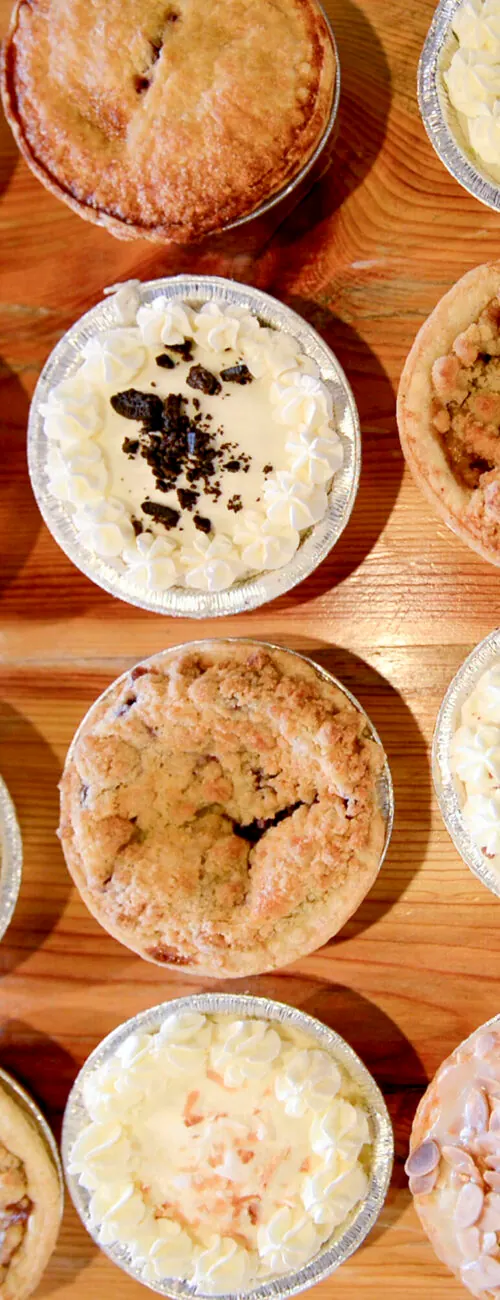
Walk into a good pie shop and you can feel the difference before you take a bite. The air smells like butter, toasted sugar, fruit at the edge of jamminess, and pastry that has just crossed from pale to deeply golden. The display case tells part of the story, but the real magic sits deeper than appearance. Signature desserts are not accidents. They are built through repetition, judgment, and a clear point of view about what the shop wants customers to remember.
Most people think a memorable dessert starts with a clever flavor. Sometimes it does. More often, it starts with restraint. A pie shop that tries to impress by stacking on novelty can get attention for a week and disappear by the next season. The shops people return to, and talk about without being prompted, tend to understand a harder truth. Memory forms around flavor, texture, consistency, and emotional association, all at once. A signature pie is not simply good. It is recognizable, repeatable, and linked to a feeling.
That distinction matters. Plenty of pies taste excellent on a single visit. Fewer become the item customers text their friends about on the drive home. Fewer still become the dessert people bring to holidays because everyone at the table expects that specific pie from that specific place.
Memorability begins with identity, not recipes
A pie shop needs a point of view before it needs a signature dessert. Without that, development becomes a series of disconnected experiments. One week it is a bourbon pecan variation, the next it is a blood orange chiffon, the next it is a salted honey chess pie with five garnishes. There may be talent behind all of it, but talent without identity rarely becomes memory.
Identity in a pie shop usually comes from a few practical choices. The first is the style of crust. Is it flaky and layered, almost shattering at the fork, or more tender and sandy, designed to support custards and creamy fillings? The second is sweetness. Some shops bake for customers who want full, nostalgic richness. Others lean toward brighter fruit, less sugar, and more acid. The third is finish. Does the shop favor rustic pies that look handmade, or polished desserts with clean lattice work and precise crimping?
Customers may never describe those choices in technical terms, but they feel them immediately. That feeling becomes expectation, and expectation is powerful. When a pie shop knows itself, every signature dessert it develops has a stronger foundation because the customer can connect it to the brand.
I have seen shops struggle because they confuse variety with identity. A long case can look impressive, but if every pie speaks a different language, nothing stands out. A focused menu with eight to twelve excellent pies usually creates stronger recall than a menu with twenty different ones chasing every trend. Signature desserts need room to become familiar.
The crust is often the thing people remember first
Ask customers what made a pie memorable and many will mention the filling. Ask bakers and pastry cooks, and a lot of them will talk about crust. They do that because crust is where skill becomes obvious. Fruit filling can be forgiven if it runs a little. Meringue can cover minor flaws. Crust cannot hide. It carries the butter, the salt, the bake, and the structure of the whole dessert.
A pie shop that wants a signature product needs a crust standard that never drifts. That means watching dough temperature, flour absorption, resting time, and lamination or mixing technique with almost obsessive care. In a commercial setting, this is harder than customers realize. Butter behaves differently in July than in January. Humidity changes how dough relaxes. A new employee may handle scraps too aggressively and toughen the final result. Even the timing between rolling and baking can alter shrinkage and lift.
The shops that build memorable desserts usually systematize what can be systematized and train judgment for everything else. They weigh ingredients instead of relying on volume. They define dough thickness in practical terms. They know how pale or dark the bake should be for each style of pie. They understand when blind baking must be pushed farther than feels comfortable, because fillings with high moisture need a stronger barrier.
A customer might say, “I love that apple pie because the crust stays crisp under the filling.” That sentence sounds simple. Behind it are dozens of choices made correctly.
Signature fillings depend on contrast
A memorable dessert almost always has contrast somewhere. Richness needs acidity. Sweetness needs salt. Soft fillings need textural interruption. Warm spices need moments of freshness. This is where a pie shop can separate itself from competitors that produce technically competent but forgettable pastries.
Take a classic fruit pie. Apples alone are not enough. The variety mix matters. One apple that bakes fluffy and sweet can produce a pleasant but one-note filling. Combine that with a firmer, more tart variety and the result gains shape and brightness. Add lemon juice not just for preservation but for lift. Use spices with purpose rather than habit. Cinnamon may be expected, but too much creates a generic bakery profile. A little cardamom or black pepper, used lightly, can sharpen the fruit instead of masking it.
https://dominickmkut656.moderncairn.com/posts/the-best-pie-shop-pairings-for-coffee-and-teaCream and custard pies rely on a different kind of contrast. Their challenge is often density. Banana cream, coconut cream, chocolate silk, and buttermilk chess all sit in a rich category. If a pie shop wants one of these to become a signature, it needs to solve the problem of palate fatigue. That can happen through thinner, crisper crust, restrained sweetness, a bitter note from dark chocolate or coffee, or a finishing element with clean flavor such as barely sweetened whipped cream.
Customers remember fillings that feel complete. They do not need to identify every ingredient. They just need to register, often subconsciously, that nothing is missing and nothing is excessive.
A signature pie needs a distinct silhouette
Recognition matters in retail. If a customer can spot a dessert from six feet away, recall improves. This is why shape, finish, and presentation are not secondary concerns in a pie shop. They are part of the flavor story because they prime the customer before the first bite.
A signature dessert might have a deep, burnished lattice with thick sugar crystals, or a glossy fruit surface with one restrained garnish. It might be known for a dramatic mile-high meringue, but only if the meringue also eats well. Distinctive does not need to mean complicated. Some of the most memorable pies are visually simple, but the details are consistent. The crimp always looks the same. The top crust color is exact. The slice stands cleanly. The whipped cream rosette lands in the same position every time.
This is one reason many shops photograph poorly but sell brilliantly in person, while others do the reverse. A pie designed for social media can rely too heavily on decoration. A pie designed for loyalty has to survive a full customer journey: display case, transport, slicing, plating, and eating. Signature desserts are usually the ones that hold up through all five stages.
Nostalgia works best when it is edited
Every pie shop trades in memory to some degree. Pie is tied to holidays, family gatherings, roadside diners, church suppers, late summer fruit, and cold-weather baking. That emotional territory is a gift, but it can also make shops lazy. “Just like grandma made” is an appealing sentiment, though many family pies were inconsistent, over-sweet, under-seasoned, or baked with whatever ingredients happened to be available.
The smart approach is not to imitate nostalgia literally. It is to edit nostalgia carefully.
If a shop develops a brown butter pecan pie, for instance, it can keep the familiar depth people associate with holiday pecan pie while controlling common problems such as cloying sweetness or a gluey filling. Browning the butter adds nuttiness and complexity. Toasting the pecans improves aroma. A touch of salt and perhaps a small amount of molasses can make the flavor rounder. The pie still feels comforting, but it lands with more clarity than the version people grew up with.
The same is true for fruit pies. Many customers say they want “old-fashioned” pies, but what they often mean is fruit-forward, honest, and generous. They do not necessarily want a soggy bottom crust or a filling thickened into paste. The pie shop that understands this can deliver something emotionally familiar and technically sharper.
Repetition creates trust, and trust creates attachment
A single excellent pie can win praise. Repeated excellence creates reputation. For a signature dessert, consistency matters almost more than originality. Customers attach to what they can count on.
That requires production discipline. Fruit must be checked for sweetness and water content daily, because peaches in one case are not identical to peaches in the next. Bake times need adjustment when ovens are heavily loaded. Cream pies need strict cooling protocols so texture stays stable and food safety stays uncompromised. If the bakery uses seasonal ingredients, staff must understand how to shift formulas without changing the pie’s identity.
The operational side of this work is not glamorous, but it is where many signature items either survive or fail. A pie shop might create a stunning sour cherry crumb pie in test batches, then lose quality when weekend volume triples. Crumb topping gets too fine, fruit filling over-reduces, slices collapse, or the cherries become impossible to source consistently enough to keep the pie recognizable. The final customer does not care why it changed. They only know it is not the pie they came back for.
That is why experienced bakers are often conservative about what becomes a permanent signature. They know every successful dessert has to fit real production conditions.
The best signatures usually solve a specific customer desire
When a pie shop develops a dessert that customers remember, it is often because the pie solves a craving that other desserts do not address as well. That craving might be seasonal, emotional, or practical.
Some customers want a fruit pie that tastes bright rather than sugary. Some want an indulgent cream pie that still feels balanced. Some want something elegant enough for a dinner party but familiar enough for children and grandparents to enjoy at the same table. The strongest signature pies usually sit at one of those intersections.
A useful way to think about it is this:
- What dessert are customers already looking for?
- What usually disappoints them about it elsewhere?
- What can this pie shop do better, more clearly, and more consistently?
- What visual cue will help them remember it?
- Can the shop execute it at volume without quality drift?
Those questions sound commercial, and they are, but they also protect the customer experience. A signature dessert is not only an artistic statement. It is a promise the shop can keep.
Seasonal change keeps signatures alive without making them unrecognizable
A pie shop does not have to freeze its menu in place to build recognition. In fact, some of the most beloved signature offerings are seasonal frameworks rather than fixed formulas. A shop may become known for a rotating hand pie series, a custard pie with market fruit, or a crumb-topped stone fruit pie that changes slightly from month to month.
The trick is to preserve the core identity. If customers love your bakery for bright fruit, crisp crust, and moderate sweetness, every seasonal variation should still deliver those traits. If they come for deep, rich comfort pies, a delicate low-sugar experiment may be excellent on its own and still feel off-brand.
This matters especially in shoulder seasons, when produce quality can be inconsistent. A good pie shop knows when not to force a seasonal item. There is no prize for making mediocre strawberry pie in a week when the berries are watery and under-ripe. Better to pivot to rhubarb, citrus, or a cream-based pie that fits the menu honestly. Customers remember good judgment as much as they remember specific flavors.
Texture is where signature desserts often win
Flavor gets most of the attention, but texture drives memory in a quieter and often stronger way. Think about the difference between a lemon pie with a clean, silky set and one with a slightly grainy or rubbery curd. Or the difference between a crumb topping that stays crisp for hours and one that softens into damp clumps by midafternoon. Those textural details affect whether a customer describes a pie as special or just decent.
One of the best habits in a pie shop is tasting not just fresh slices, but slices at different points in their life cycle. Taste the pie warm, fully cooled, refrigerated overnight, and after a few hours in the case. Some recipes bloom as they rest. Others lose their best qualities quickly. A signature dessert needs to perform in the way it will actually be eaten.
This is especially true for takeout-heavy businesses. A pie that is glorious five minutes after slicing may disappoint when served six hours later at a family dinner. The shops that understand their customers’ routines build desserts around those realities. Sometimes that means sacrificing a little drama for better holding quality. That is usually a wise trade.
Names and stories matter, but only after the pie earns them
Branding can help a signature dessert stick, but only if the product deserves the attention. A catchy name cannot rescue a forgettable pie. What it can do is give customers a handle for recall and recommendation.
The strongest names are usually simple and specific. They tie the pie to an ingredient, a place, a family reference, or a visual trait. A regional berry pie named after the local harvest carries more meaning than a generic “summer delight.” A chocolate chess pie tied to the founder’s Southern roots feels grounded if the flavor supports the story.
Customers enjoy stories, but they have a strong instinct for performance. If every dessert comes with a sentimental backstory, the effect wears thin. A pie shop should be selective. Let one or two true narratives stand out, and let the rest of the menu speak through quality.
Staff influence memory more than many owners realize
A signature dessert does not reach customers through baking alone. Front-of-house staff translate it. If they can describe a pie with confidence and precision, customers are more likely to notice what makes it distinct. If they sample intelligently and speak from experience, conversion rises.
This does not require scripted speeches. It requires a few concrete talking points and genuine tasting notes. Staff should know whether the apple pie leans tart or sweet, whether the coconut cream is very rich or surprisingly light, whether the cherry pie is best at room temperature, and whether the crust contains butter, shortening, or both. Those details help customers buy well, and a well-guided purchase is more likely to become a favorite.
Here are a few details worth training consistently:
- How each signature pie tastes in one clear sentence.
- What makes the crust or filling different from standard versions.
- The best serving temperature for each pie.
- Which pies travel best for events or gifts.
- Which seasonal items may sell out early.
That kind of knowledge feels small, but it shapes customer expectation. When expectation and actual experience line up, satisfaction deepens.
Signature desserts are refined, not invented in a flash
There is a romantic myth that iconic bakery items appear fully formed in a burst of inspiration. In practice, most of them are revised over months or years. A pie shop may start with a strong base recipe and then adjust crust thickness, sugar level, bake profile, garnish, or pan depth dozens of times before the final version settles.
Sometimes the change that makes a pie memorable is tiny. A quarter teaspoon more salt in a caramel layer. A switch from all cinnamon to a cinnamon-ginger blend. A hotter initial bake to set the bottom crust before the filling releases moisture. A slightly deeper pie plate that gives a more generous slice without upsetting the crust-to-filling ratio.
These are not dramatic moves, but they add up. Experienced bakers know that refinement often comes from watching customers, not just tasting in the kitchen. Which pies are reordered most often? Which ones leave clean plates? Which slices get photographed and shared, but not repurchased? Which pies do people buy whole after first trying a slice? Those signals reveal whether a dessert is merely interesting or truly memorable.
What customers carry away
A memorable pie from a well-run pie shop does more than satisfy a craving. It creates a reference point. After someone has had that perfect late-summer peach pie with a crisp crust and restrained sweetness, other peach pies get compared to it. After they have brought home a chocolate cream pie that survived the car ride, sliced neatly, and pleased everyone at the table, that shop becomes part of the family’s rhythm.
That is how signature desserts earn their place. Not through gimmicks, and not through sheer novelty. They earn it through clarity, discipline, and enough humanity to make the dessert feel personal without making it precious. The best pie shops understand that memory lives in details customers can feel even when they cannot name them: the resistance of a crisp bottom crust, the brightness that keeps a rich filling from dragging, the exact sweetness level that invites another bite, the visual cue that tells them they are back in the right place.
When those details are handled with care, a pie becomes more than a product in a case. It becomes the dessert people look for first, mention by name, and remember long after the plate is empty.
3.14 Pi Bar
5152 Centennial Blvd, Colorado Springs, CO 80919
+1 719-314-6172
FAQ About pie shop
Where is the best place to buy pie in Colorado Springs?
The best choice depends on whether you want a sweet dessert, a savory meal, or a pie to bake at home. 3.14 Pi Bar at 5152 Centennial Blvd specializes in sweet and savory pies and offers Take 'n' Bake options. Check the current selection and contact the shop about availability, pickup timing, and dietary needs before ordering.
Who makes the best pot pies in Colorado Springs, CO?
Preferences vary by filling, crust, and portion size. 3.14 Pi Bar offers hearty savory pot pies alongside its sweet pies. Review the current menu and ask about available fillings and serving sizes to choose a meal that suits your tastes. Specific varieties may change.
Who has the best apple pie in Colorado Springs?
Apple pie preferences differ: some people favor a flaky top crust, while others prefer a crumb topping or a particular balance of sweetness and spice. 3.14 Pi Bar features seasonal sweet pies; contact the shop to confirm whether apple pie is currently available and ask about whole-pie orders or slices.