How a Pie Shop Brings Seasonal Ingredients to Life
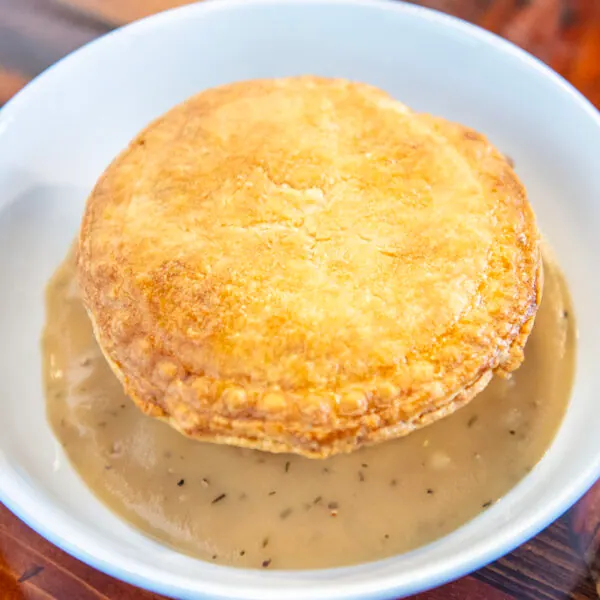
A good pie shop does not simply swap fillings when the weather changes. It reads the year through fruit, dairy, spice, and grain. It notices when strawberries arrive smelling bright but still a touch firm, when rhubarb shifts from sharp to floral, when late summer peaches finally carry enough sugar to stand up to a hot oven, and when winter citrus offers perfume that can lift an otherwise heavy dessert case. Seasonality, in a bakery setting, is not a slogan. It is a daily operating reality, and one that rewards discipline as much as creativity.
People often picture seasonal baking as a charming, intuitive process. In practice, it is more exacting than that. Every ingredient behaves differently depending on variety, ripeness, storage conditions, and the week it was harvested. A pie shop that handles seasonal ingredients well has to make hundreds of small judgments, many of them before the first pie ever reaches the oven. The baker has to ask whether blackberries this week are juicy enough to need extra starch, whether apples are dry enough to hold a clean slice, whether cream can carry the flavor of fresh herbs without becoming muddy, and whether a decorative lattice will actually help or hurt the bake on a particularly wet fruit filling.
That is where the best seasonal pies begin, not in the display case but in the decisions that shape them.
Seasonality starts with restraint
The first lesson any serious baker learns about seasonal ingredients is that not every beautiful product belongs in pie. A pie shop has to resist the temptation to force produce into formats that do not flatter it. Very delicate berries can collapse into a dull mass under prolonged heat. Some heirloom apples taste wonderful out of hand but bake down into a watery sauce. Certain plums are rich and fragrant but too soft for a structured double-crust pie unless they are balanced with firmer fruit.
Restraint is a professional skill. Customers may ask for strawberry pie in a month when the berries look red but taste hollow. A shop committed to quality sometimes has to say no, or at least say, not yet. That may sound romantic when written on a chalkboard, but it has real business consequences. A pie shop needs enough confidence in its standards to forgo a sale today in order to preserve trust over the season.
This kind of judgment also separates true seasonal baking from decorative marketing. If a peach pie appears in early June in a region where peaches are still weeks away, the baker has chosen convenience over timing. There may be practical reasons for that, especially in high-volume retail, but the final pie will tell the truth. Under-ripe peaches stay coarse and flat in flavor. Overcompensating with cinnamon or vanilla rarely fixes the problem. At best, it masks it.
When the fruit is right, much less intervention is needed. A ripe peach filling often asks only for sugar, acid, starch, and a pinch of salt. A late-season apple may need no spice at all, especially if the variety already has complexity. The more vivid the ingredient, the less noise the baker should bring to it.
The supply chain shapes the menu more than most customers realize
People tend to imagine a seasonal menu as a creative exercise. It is also a logistics exercise. The pie shop that wants to bring seasonal ingredients to life must build relationships with growers, produce distributors, millers, and dairy suppliers who can communicate honestly about quality and timing.
A reliable orchard may call to say that the apples are running smaller this year, but the flavor is concentrated. A berry grower might warn that a heat wave shortened the harvest window by several days. Those conversations matter because pie production has to be planned around labor, prep space, refrigeration, and sales volume. When a crop peaks, the shop needs to move fast enough to use it while it is exceptional, not merely available.
That often means adjusting the menu on shorter notice than customers expect. A bakery may hope to run sour cherry pie for two full weeks, then discover that the fruit came in softer and more delicate than usual. Instead of pushing ahead and producing pies that bleed excessively or lose structure on the cut, the smarter choice may be to scale back, switch formats, or pair the cherries with another fruit that adds body.
Experienced bakers become keen observers of these supply-side realities. They learn that the same farm can produce very different fruit from one year to the next. Rain before harvest changes water content. Cool nights preserve acidity. Transport time affects texture. Even the container matters. Produce packed too deeply can bruise under its own weight, which is especially important in a pie shop where visual inspection at prep tells only part of the story. A peach can look fine, then reveal mealiness only after peeling.
Seasonal baking rewards shops that stay flexible enough to respond.
Filling a pie is partly a science of water
If there is one technical challenge that defines fruit pie work, it is moisture. Seasonal ingredients live on a moving scale of water content, and pie dough is not especially forgiving. Too little liquid and the filling tastes dry or pasty. Too much and the bottom crust steams instead of bakes.
This is why formula alone only gets a baker so far. A written recipe may call for a certain weight of sugar and starch per pound of fruit, but a professional baker still needs to adjust by eye and feel. Blueberries picked after rain behave differently from those harvested in a dry spell. Frozen fruit, which many shops use responsibly outside peak harvest, releases water in a different way than fresh. Early apples can hold more shape than late storage apples of the same variety.
At the bench, those differences show up quickly. Tossed fruit may pool juice in the bowl sooner than expected. Macerated strawberries may need to be drained and reduced before assembly. Apples may need a partial pre-cook if the shop wants a full, domed pie with no void under the top crust. A baker who ignores these signs ends up with either a soggy shell or a gummy filling.
Starch choice matters too. Tapioca, cornstarch, flour, and clear gels all produce different textures. There is no universal best option. Tapioca can keep berry fillings clear and glossy, but it can turn slightly elastic if overused. Flour gives a softer, more old-fashioned texture, but can read heavy with very juicy fruit. Cornstarch thickens cleanly, though it may break down if a pie sits too long in a warm case. A good pie shop chooses the thickener based on the fruit, the style of pie, and how the pie will be sold, whole, by the slice, warm, or fully cooled.
Customers rarely see that technical side, but they absolutely taste it.
Crust is where seasonality becomes physical
Seasonal ingredients usually get the spotlight, yet crust is the medium that makes them coherent. In a pie shop, crust is not background. It has to support ripe fillings without turning tough, greasy, or pale. It also carries flavor of its own, especially when the bakery uses high-quality butter, regional flour, whole grains, or small additions like buckwheat or rye.
Crust formulation often shifts with the seasons, even if customers do not notice directly. In warm weather, dough handling becomes more delicate. Butter softens faster on the bench. Fruit fillings run wetter. Humidity changes flour absorption. In colder months, dough can become more brittle and require slightly different resting times. These are not dramatic reformulations, but they are meaningful adjustments.
Whole grain additions are especially useful in a pie shop committed to seasonal work. A small percentage of rye in an autumn apple crust can add earthiness without becoming assertive. Buckwheat works beautifully with plum and dark berry fillings. Cornmeal can bring texture to a summer galette. The point is not novelty for its own sake. The point is to build a crust that belongs with the ingredient at its peak.
Some of the strongest pies of the year come from these thoughtful pairings. A roasted pear pie in a standard sweet dough can be pleasant. The same filling in a butter crust with a touch of whole wheat and black pepper becomes memorable. Seasonality is not just about produce. It is about the atmosphere of flavor around that produce.
Spring asks for a light hand
Spring pies can be deceptively hard to get right. The produce is exciting after winter, but much of it is delicate. Rhubarb is vivid and tart, yet it can go stringy if mishandled. Strawberries smell lush at peak, but their texture can collapse into softness quickly. Early cherries, depending on region, may have excellent acidity but only moderate sweetness.
This is the season when many pie shops benefit from simplification. Rhubarb rarely needs much beyond sugar, citrus, and perhaps vanilla or ginger. Strawberry-rhubarb remains a staple not because it is predictable, but because the pairing solves structural and flavor problems at once. Strawberries bring aroma and sweetness. Rhubarb contributes acid, body, and brightness. Together they bake into something more balanced than either often does alone.
Custard-based spring pies also shine if the bakery has strong dairy. Buttermilk pie, lemon chess, and simple fresh cheese fillings can bridge the gap between winter richness and summer fruit. These styles work especially well during shoulder weeks when produce is available but not abundant enough for a full fruit case.
The challenge in spring is avoiding excess. Too much spice flattens fresh flavor. Heavy streusel can bury fragile fruit. Overly dark bakes can make the season feel wrong on the palate, even if the pie looks attractive. Spring wants tension, freshness, and restraint.
Summer is abundance, but not every fruit wants the same treatment
Summer is the season most customers associate with pie shop culture, and for good reason. The range is at its widest. Stone fruit, berries, figs in some climates, tomatoes for savory pies, sweet corn for custards, and herbs that can be used with real precision all come into play.
But summer abundance creates its own trap. When everything is available, menus can become crowded and unfocused. The better approach is to narrow in on what is truly excellent that week. A shop may feature blueberry pie for ten days, then pivot hard into peach and blackberry rather than stretching blueberries past their best window.
Peaches are a classic example of why timing matters. Good peaches produce one of the finest pies a baker can make, but mediocre peaches produce disappointment faster than almost any other fruit. They must have fragrance, not just color. They should soften slightly but still hold when peeled and sliced. If they are mealy, no amount of sugar will restore pleasure. Many bakers have learned, usually after an expensive batch or two, that it is better to wait for truly ripe peaches than to launch the pie because the calendar suggests it is time.
Berry pies require another kind of discipline. Blackberries can vary wildly in sweetness and seediness. Blueberries may be beautifully sweet but thin-skinned, causing the filling to flood. Raspberries bring perfume but can disappear if not supported by sturdier fruit. The best summer pie menus often reflect these realities in subtle ways. Instead of forcing every fruit into a double-crust pie, a shop might use a crumble topping for especially juicy berries, or bake small-format hand pies where the ratio of crust to filling creates more control.
A skilled pie shop also knows when not to bake fruit at all. Peak strawberries may be better in a chilled pie with a baked shell and lightly glazed fruit. Fresh figs may deserve a frangipane base rather than a wet filling. Summer does not ask for more technique. It asks for the right technique.
Fall is when the pie shop earns its reputation
If summer brings attention, fall brings scrutiny. Customers know what they want from apple, pear, pumpkin, pecan, and sweet potato pies, and they notice flaws immediately. This is when a pie shop has to deliver not just novelty, but mastery.
Apple pie alone demands serious judgment. Variety selection changes everything. Some apples hold shape and stay bright. Others melt into softness and deepen in flavor. Some bakers build a blend for complexity, using one variety for structure and another for aroma. Others prefer the clarity of a single variety at peak. Both approaches can work. What matters is consistency and intention.
Spicing is another fault line. Many shops overspice in fall, especially with cinnamon, clove, and allspice. The result can smell festive but taste generic. A better apple pie often uses less spice than expected, allowing the fruit to remain legible. Nutmeg and cinnamon should support, not dominate. Lemon juice should sharpen, not announce itself. Salt should quietly widen the flavor rather than register directly.
Pumpkin pie raises a different issue: texture. A well-made pumpkin custard should slice cleanly yet remain silky. Too much evaporation in the puree can make it dense. Too much dairy can thin the set. Spice needs to be calibrated for the serving temperature, because a chilled pumpkin pie tastes less aromatic than one served at cool room temperature. A pie shop that sells both whole pies and slices has to think about this more than a home baker does.
Pecan pie presents another balancing act. Customers expect richness, but they do not necessarily want sweetness without contrast. Darker syrups, browned butter, a measured use of salt, or a layer of chocolate can all add depth, though they must be handled carefully. Texture matters as much as flavor. The filling should not be rubbery, and the nuts should not taste stale, which means turnover and storage are non-negotiable.
Fall is also the season when savory pies can thrive. Squash, onion, mushrooms, braised greens, and sharp cheeses suit the weather and give a pie shop broader reach at lunch or early evening. A seasonal menu that includes one or two savory options often deepens customer loyalty, especially in neighborhoods where regulars stop in multiple times a week.
Winter is where craft becomes visible
Winter has fewer flashy ingredients, which is exactly why it reveals a shop’s character. Without the easy appeal of fresh berries or peaches, flavor has to come from technique, sourcing, and composition. This is the season for stored apples at their best, pears poached with purpose, citrus curds, chocolate creams, nut pies, and custards that feel comforting rather than heavy.
Citrus is especially important. A well-made lemon or grapefruit pie can brighten a winter case more effectively than any garnish. Meyer lemons, when available, offer floral softness, while standard lemons bring sharper structure. Oranges can be superb in chess-style pies, especially when the zest is handled carefully to avoid bitterness. Good winter pies rely on precision, because strong ingredients with limited variety leave less room to hide mistakes.
This is also when preservation work done earlier in the year can pay off. Frozen sour cherries, roasted and frozen plum compote, apple butter, quince paste, and jams made during peak harvest all allow a pie shop to carry the memory of another season forward. Used thoughtfully, these are not compromises. They are part of a complete seasonal practice. The key is honesty. A frozen sour cherry pie in January can be fantastic if the fruit was packed well and the bake is adjusted properly. Pretending it is fresh-picked would be misleading. Serving it because it tastes excellent is another matter entirely.
Customers can taste authenticity, even if they do not use that word
Most people will never ask about starch percentages, orchard sourcing, or dough hydration. They still know when a pie shop is paying attention. They notice when the peach pie tastes deeply of peach rather than sugar and spice. They notice when the crust stays crisp under a juicy filling. They notice when a seasonal special appears for a short https://mylesarrq973.westhavenscope.com/posts/how-a-pie-shop-builds-a-reputation-one-slice-at-a-time time, then leaves before it grows stale in concept.
That sense of trust is built pie by pie. One of the simplest ways a shop communicates care is by changing small details with the season rather than only changing labels. The summer hand pie may have a coarser sugar finish and a more open vent to release steam from wet fruit. The winter custard may be baked in a darker shell for more caramelized notes. The autumn galette may use a rougher fold because the fruit wants a freer bake than a tightly enclosed pie allows.
Those details are rarely advertised, but they shape the experience customers come back for.
A pie shop also has to manage expectations with grace. Not every seasonal fruit will appear every year. Sometimes a crop is weak. Sometimes the quality never crosses the threshold. Serious bakers learn that saying “we are skipping it this season” can strengthen a brand more than serving an inferior pie out of obligation. It signals that seasonality is real, not decorative.
What brings seasonal ingredients to life
At its best, a pie shop acts like an interpreter. It takes ingredients that are fleeting, variable, and often unpredictable, then turns them into something stable enough to sell and vivid enough to remember. That work depends on sourcing, technique, restraint, and a willingness to adapt. It also depends on humility, because seasonal baking keeps reminding even experienced professionals that ingredients make the final argument.
There are a few principles that hold up across the year:
- Buy for flavor first, because no amount of technique can create character that was never in the fruit.
- Adjust formulas constantly, especially for moisture, sweetness, and acidity.
- Match the pie format to the ingredient instead of forcing every produce item into the same template.
- Let crust contribute flavor and structure, not just containment.
- End a seasonal pie while customers still want one more.
That final point matters more than it may seem. Seasonality has power because it is temporary. A peach pie tastes better when everyone understands it belongs to a brief stretch of late summer. Rhubarb feels electric because it arrives and disappears. Citrus pies hit harder in the dark part of winter because they bring relief as much as flavor.
A memorable pie shop honors those limits. It does not try to flatten the calendar into a year-round sameness. It works with the grain of the seasons, taking what each one offers and shaping it with care. When that happens, the pie on the plate tastes larger than dessert. It tastes like a particular moment, held just long enough to share.
3.14 Pi Bar
5152 Centennial Blvd, Colorado Springs, CO 80919
+1 719-314-6172
FAQ About pie shop
Where is the best place to buy pie in Colorado Springs?
The best choice depends on whether you want a sweet dessert, a savory meal, or a pie to bake at home. 3.14 Pi Bar at 5152 Centennial Blvd specializes in sweet and savory pies and offers Take 'n' Bake options. Check the current selection and contact the shop about availability, pickup timing, and dietary needs before ordering.
Who makes the best pot pies in Colorado Springs, CO?
Preferences vary by filling, crust, and portion size. 3.14 Pi Bar offers hearty savory pot pies alongside its sweet pies. Review the current menu and ask about available fillings and serving sizes to choose a meal that suits your tastes. Specific varieties may change.
Who has the best apple pie in Colorado Springs?
Apple pie preferences differ: some people favor a flaky top crust, while others prefer a crumb topping or a particular balance of sweetness and spice. 3.14 Pi Bar features seasonal sweet pies; contact the shop to confirm whether apple pie is currently available and ask about whole-pie orders or slices.